If you run a small business in South Carolina, whether you’re a Charleston-based restaurant, a Columbia service contractor, a Greenville boutique, or a Myrtle Beach seasonal operator, you already know that organic reach on social media has collapsed. Facebook and Instagram ads are no longer optional. They are the most cost-effective, scalable, and measurable paid advertising channel available to businesses of any size.
But running ads and running profitable ads are two entirely different things.
This guide cuts through the noise. It covers everything South Carolina small business owners need to know to launch, manage, and scale Facebook and Instagram advertising campaigns that generate real leads and real sales, not just impressions.
What Are Facebook & Instagram Ads and Why Do They Matter for Small Businesses?
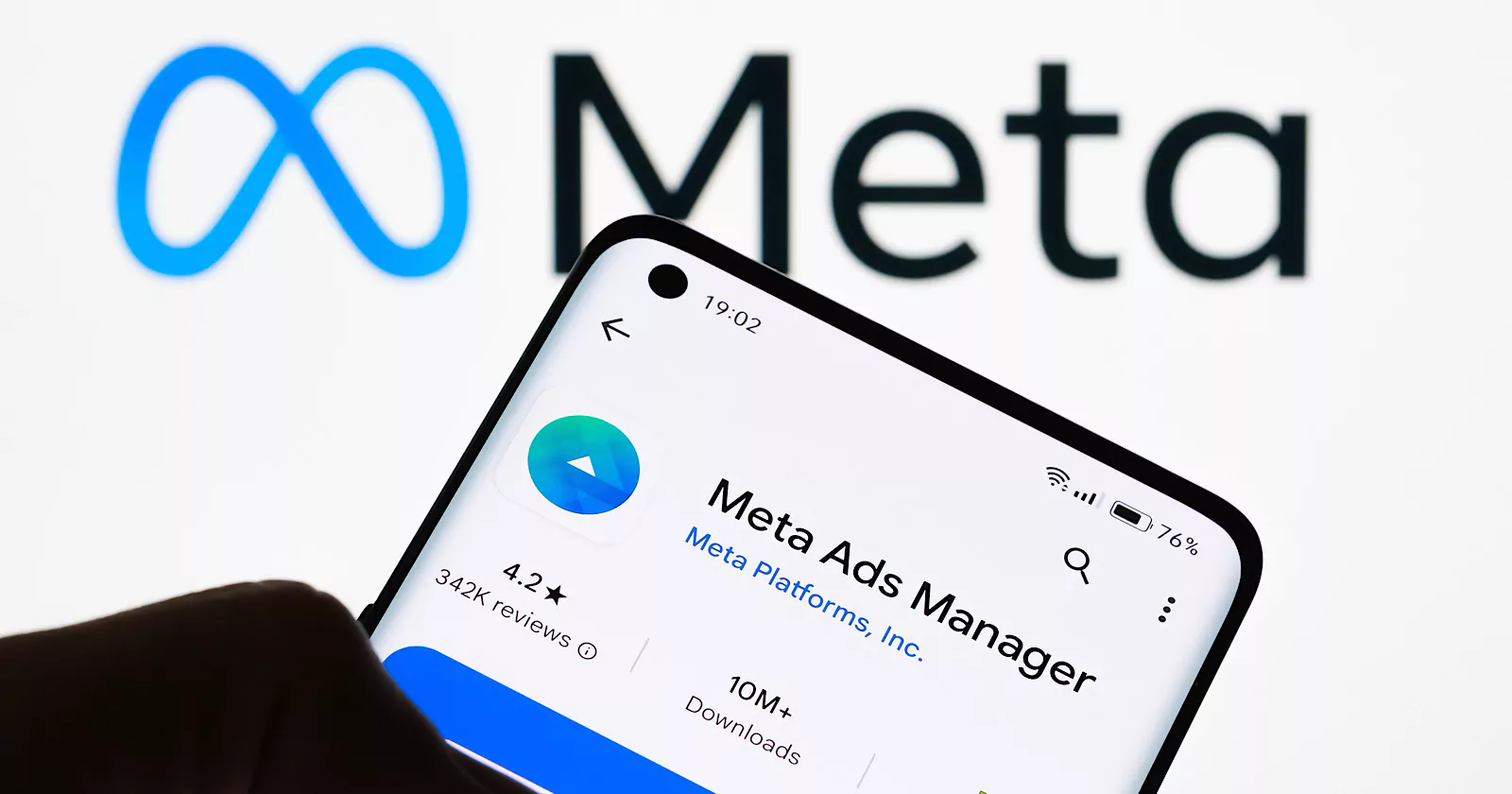
Facebook and Instagram ads are paid placements managed through Meta’s advertising platform, formally known as Meta Ads Manager. When you run a campaign, you can reach people based on their location, demographics, interests, behaviors, and life events, with a level of precision that traditional advertising channels like print or radio simply cannot match.
For small businesses in South Carolina, this matters for a very specific reason: you are competing in local markets where relevance beats budget. A $500/month Meta Ads campaign with smart targeting and strong creative will consistently outperform a $5,000 campaign that is poorly structured.
Meta’s advertising ecosystem spans:
- Facebook Feed, Stories, and Reels
- Instagram Feed, Stories, Reels, and Explore
- Facebook Marketplace
- Audience Network (third-party apps and websites)
- Messenger ads
All of these placements are managed from one dashboard, which means your budget, creative, and audience strategy can be centralized and optimized together.
The Scale of Meta’s Advertising Reach
Meta’s combined platforms give advertisers access to over 3 billion daily active users globally. In South Carolina specifically, the platform reaches a substantial majority of adults across every major metro area, from Columbia and Greenville to Hilton Head and the Grand Strand. For local businesses, this level of reach within a defined geographic radius is unmatched by any other paid channel at a comparable cost.
How Facebook & Instagram Ads Work: The Core Mechanics
Understanding the underlying mechanics of Meta’s ad system helps you make smarter decisions about budget, targeting, and creative rather than guessing.
The Auction System
Every time a Meta user loads their feed, an auction occurs in milliseconds. Your ad competes against other advertisers for that impression. The winner is not simply the highest bidder. Meta uses a Total Value Score that weighs:
- Your bid – how much you’re willing to pay
- Estimated action rate – how likely the user is to take your desired action
- Ad quality and relevance – based on user feedback, engagement signals, and creative quality
This means a well-crafted, relevant ad from a small business can outperform a poorly targeted ad from a national brand with a ten-times larger budget.
Campaign Objectives: Choosing the Right Goal
Meta organizes campaigns around objectives. Selecting the wrong objective is one of the most common and costly mistakes small businesses make.
The six core campaign objectives in Meta’s current structure are:
- Awareness – maximize reach and brand recognition
- Traffic – drive visitors to a website or landing page
- Engagement – generate comments, shares, and interactions
- Leads – collect contact information through native forms or your website
- App Promotion – drive app installs and in-app events
- Sales – drive purchases or conversions on your website
For most South Carolina small businesses, the highest-value objectives are Leads and Sales. These tell Meta’s algorithm to find people who are most likely to complete the specific action you want, not just people who will scroll past your ad.
Audience Targeting: The Foundation of Every Campaign
Meta’s targeting options fall into three main categories:
Core Audiences are built using demographic data, interests, behaviors, and location. You can target people within 10 miles of your Greenville storefront who are homeowners between 35 and 60 with an interest in home renovation.
Custom Audiences are built from your own first-party data. Upload a customer email list, retarget website visitors, or re-engage people who watched your videos. These tend to be your highest-converting audience segments.
Lookalike Audiences allow Meta to find new users who share behavioral and demographic similarities with your existing customers. A well-built lookalike audience is one of the most powerful prospecting tools available at any budget level.
The Meta Pixel and Conversions API
The Meta Pixel is a piece of code installed on your website that tracks visitor behavior, including page views, form submissions, purchases, and more. Without it, you are flying blind. The Pixel feeds conversion data back to Meta’s algorithm, which uses it to optimize your campaigns toward the outcomes that matter.
In 2026, pairing the Pixel with the Conversions API (CAPI) is the standard for data-accurate tracking, especially following browser-level privacy restrictions. CAPI sends conversion events directly from your server to Meta, reducing data loss from ad blockers and iOS privacy settings.
If you are running any paid social campaigns in South Carolina without a properly configured Pixel and CAPI setup, you are wasting a significant portion of your budget.
Common Facebook & Instagram Ad Mistakes Small Businesses Make
Most small businesses that say “Facebook ads don’t work” have made one or more of these mistakes. Understanding them is the first step toward fixing them.
1. Boosting Posts Instead of Running Campaigns
The “Boost Post” button is designed for simplicity, not performance. When you boost a post, you get limited control over objectives, audience targeting, placements, and optimization. You are essentially paying Meta to show your content to more people with no strategic intent behind it.
Proper campaigns built in Meta Ads Manager give you full control over every variable. For the same budget, a properly structured campaign will almost always outperform a boosted post in terms of measurable business outcomes.
2. Targeting Too Broadly or Too Narrowly
Broad targeting wastes budget on irrelevant audiences. Hyper-narrow targeting starves Meta’s algorithm of the data it needs to optimize. For most South Carolina small businesses, the sweet spot is an audience size between 50,000 and 500,000 for local campaigns, with clear demographic and behavioral filters applied.
3. Weak Creative That Doesn’t Stop the Scroll
Meta’s feeds are high-velocity environments. Users scroll past dozens of posts per minute. If your ad does not create a pattern interrupt in the first one to two seconds, through a bold visual, a compelling headline, or an unexpected hook, it will not be seen regardless of how good your targeting is.
Creative is the single highest-leverage variable in a paid social campaign. Test multiple formats: static images, short-form video, carousel, and Reels.
4. No Conversion Tracking
Running campaigns without proper conversion tracking is the equivalent of spending money on a sales team and never measuring how many deals they close. Without the Pixel and CAPI properly configured, you cannot attribute results, optimize toward the right outcomes, or make data-driven budget decisions.
5. No Testing Strategy
Many small businesses create one ad, run it indefinitely, and wonder why performance declines. A structured creative testing framework, also called A/B testing or split testing, continuously identifies which headlines, visuals, and calls to action resonate with your audience. Without testing, you are leaving performance improvements on the table every single day your campaigns run.
6. Sending Traffic to a Weak Landing Page
Even a perfectly optimized Meta ad campaign will fail if it sends traffic to a slow, unclear, or unconvincing landing page. Your landing page must match the promise of the ad, load in under three seconds, and present a single, obvious call to action.
7. Ignoring Ad Fatigue
Audiences grow tired of seeing the same creative repeatedly. Ad fatigue causes click-through rates to drop and costs to rise. Refreshing creative on a predictable schedule, typically every two to four weeks for smaller audiences, is a basic maintenance task that many businesses neglect.
Advanced Meta Ads Strategies for Small Businesses Ready to Scale
Once your foundational campaigns are profitable, these advanced strategies allow you to expand reach, improve efficiency, and build a full-funnel paid social system.
Lookalike Audiences: Find More of Your Best Customers
A Lookalike Audience takes a source, such as your customer list, your website purchasers, or your top lead segment, and asks Meta to find statistically similar users. The quality of your lookalike depends entirely on the quality of your source audience.
Best practices for South Carolina businesses:
- Build lookalikes from your highest-value customers, not your full contact list
- Use 1% lookalikes for the tightest match; expand to 2-3% as you scale
- Layer in geographic targeting to keep audiences locally relevant
- Refresh your source audience every 30-60 days as your customer base grows
Retargeting Funnels: Convert Warm Audiences
Most first-time website visitors do not convert on their first visit. Retargeting campaigns re-engage these warm prospects with messaging tailored to where they are in the decision journey.
A basic retargeting funnel for a South Carolina service business might look like this:
Stage 1 – Website Visitors (Last 30 Days) Show social proof: reviews, case studies, before-and-after results. The objective is to build trust and bring them back.
Stage 2 – Landing Page Visitors Who Did Not Convert Show a specific offer, a limited-time incentive, or a direct response ad with a strong call to action.
Stage 3 – Cart Abandoners or Form Starters (for e-commerce and lead gen) Show a highly personalized reminder with a clear, low-friction next step.
Each stage requires different messaging, different creative, and potentially different offers. Running a single retargeting ad to all warm audiences is a common oversimplification that leaves conversion rates below potential.
Creative Testing: The Engine of Long-Term Performance
Systematic creative testing is what separates agencies and sophisticated advertisers from businesses running ads casually. A structured testing approach involves:
- Isolating variables – test one element at a time (headline vs. headline, image vs. video) so you know what drove the change
- Running tests at statistically meaningful scale – a test that reaches 500 people is not statistically significant; aim for at least 1,000-2,000 impressions per variant before drawing conclusions
- Documenting winners – maintain a creative log that tracks performance by format, hook, and offer so institutional knowledge accumulates over time
- Rotating creative proactively – don’t wait for frequency to climb before introducing new creative; front-run fatigue
Conversion Campaign Optimization: Teaching the Algorithm
Meta’s algorithm is extraordinarily powerful, but it needs data to learn. This is known as the learning phase, the period during which Meta gathers approximately 50 optimization events per ad set to calibrate delivery.
Practical implications:
- Don’t make significant changes to campaigns during the learning phase, as every edit restarts it
- Consolidate ad sets where possible to concentrate conversion data in fewer containers
- Use Advantage+ Shopping Campaigns or Advantage+ Audience features for e-commerce and lead generation campaigns where appropriate
- Set realistic budgets that allow campaigns to exit the learning phase within 7 days
Video and Reels: The Creative Format Driving the Lowest CPMs
Short-form video, particularly Reels on Instagram and video content on Facebook, consistently achieves lower cost-per-thousand impressions (CPM) than static formats as of 2026. For small businesses with limited creative budgets, a 15-30 second authentic video shot on a smartphone will often outperform a polished static graphic at a fraction of the production cost.
Hook the viewer in the first three seconds. Lead with the problem you solve or the result you deliver. End with a clear call to action.
How Small Businesses in South Carolina Can Scale with Paid Social
South Carolina’s business landscape has unique characteristics that smart paid social strategies should account for. Here is how local businesses across different sectors can leverage Meta Ads for meaningful growth.
Local Awareness Campaigns for Brick-and-Mortar Businesses
If you operate a physical location, whether that is a restaurant in Five Points Columbia, a spa in Mount Pleasant, or a gym in Spartanburg, local awareness campaigns using radius targeting are among the highest-ROI ad types available.
Target users within a 5-15 mile radius of your location. Use the Store Traffic or Awareness objectives to maximize reach within that area. Pair this with compelling creative that emphasizes your local presence, community involvement, or neighborhood-specific references. South Carolinians respond well to authentic local identity. Ads that feel like they come from a neighbor rather than a corporation consistently perform better.
Seasonal Offer Campaigns for Tourism and Hospitality
South Carolina’s tourism economy, centered on Myrtle Beach, Hilton Head, Charleston, and the Lowcountry, creates predictable seasonal demand that paid social can amplify effectively.
Plan campaigns around:
- Spring Break and Easter (March-April) – family travel, beach rentals, activity operators
- Summer peak season (May-August) – maximum reach campaigns targeting out-of-state visitors
- Fall travel and food festivals – targeting drive-market audiences within 300 miles
- Holiday promotions (November-December) – gift cards, packages, local retail
Seasonal campaigns benefit from time-limited offers and urgency-driven copy. Start campaigns 2-3 weeks before the peak window to build awareness before conversion intent peaks.
Service-Based Lead Generation
For South Carolina service businesses, including HVAC, roofing, pest control, landscaping, legal services, home health, and financial planning, Facebook and Instagram Ads are among the most effective lead generation tools available at local scale.
Lead generation campaigns using Meta’s native Lead Ads allow prospects to submit their contact information without leaving the platform, dramatically reducing friction. Integration with CRM tools such as HubSpot, GoHighLevel, and Salesforce can automate follow-up sequences triggered the moment a lead is captured.
Key best practices for service-based lead gen in South Carolina:
- Use specific, problem-aware headlines such as “Charleston homeowners: Is your HVAC ready for summer?”
- Include a strong value proposition with free estimates, same-day service, or local guarantees
- Follow up with leads within 5 minutes, as speed-to-contact is the single biggest driver of lead conversion rates
- Run retargeting campaigns to re-engage leads who opened but did not complete your form
E-Commerce Businesses in South Carolina
For South Carolina e-commerce brands, whether you sell palmetto-themed apparel, Lowcountry food products, or artisan goods, Meta’s Advantage+ Shopping Campaigns represent the current best practice for scaling online sales.
These campaigns use machine learning to automatically optimize creative delivery, audience targeting, and placement across Meta’s ecosystem. Paired with a well-structured product catalog and a properly configured Pixel, Advantage+ Shopping can significantly reduce cost-per-purchase compared to manually structured campaigns.
When to Hire a Facebook & Instagram Ads Agency
At some point, the complexity of managing profitable Meta Ads campaigns exceeds what most business owners can realistically handle alongside running their business. Here are clear signals that it is time to bring in professional support.
You’re spending money but don’t know if it’s working. If you can’t articulate your cost per lead, your return on ad spend, or your best-performing audience segment, your campaigns are not being managed strategically.
Your cost per lead or cost per acquisition is rising. Without ongoing optimization, including creative refreshes, audience updates, bid adjustments, and landing page testing, campaign performance naturally degrades over time. This is a management problem, not a platform problem.
You’re scaling budget but not scaling results. Doubling your budget does not double your results unless the underlying campaign structure is built to scale. Many businesses reach a ceiling because their account architecture cannot support higher spend efficiently.
You don’t have time to stay current. Meta’s advertising platform changes constantly. New campaign types, new audience tools, privacy updates, and algorithm changes require continuous attention. Staying current is effectively a part-time job. Professionals whose entire practice is paid social advertising stay ahead of these changes by necessity.
You’re entering a competitive vertical or market. Industries like legal, healthcare, real estate, and home services in South Carolina’s major metro areas are competitive on Meta. Competing effectively requires more than a basic campaign.
Wayomedia Marketing Agency helps businesses across South Carolina build high-performing paid social campaigns on Facebook and Instagram that generate consistent leads and sales. From campaign strategy and creative development to pixel setup, audience architecture, and ongoing optimization, Wayomedia’s team manages every component of your Meta Ads ecosystem so you can focus on running your business.
Learn more about Wayomedia’s paid social services
Facebook & Instagram Ads FAQs for South Carolina Small Businesses
How much should small businesses spend on Facebook and Instagram ads?
There is no universal answer, but a functional starting point for most South Carolina small businesses is $500-$1,500 per month in ad spend. This is enough to gather meaningful data, exit the learning phase, and test multiple audiences and creatives.
The right budget depends on your industry, your cost per lead or sale target, and your capacity to handle inbound inquiries. A roofing company willing to pay $150 for a qualified lead can justify a larger budget than a retail shop testing a new product offer at $15 per purchase.
More important than the total budget is how it is structured. Spreading $1,000 across ten ad sets produces thin data and slow optimization. Concentrating $1,000 into two or three focused campaigns produces actionable insights faster.
Are Instagram ads better than Facebook ads?
Neither platform is universally superior. Performance depends on your audience, your creative format, and your offer.
As a general framework: Instagram tends to outperform for younger demographics (18-35), visual products, lifestyle brands, and short-form video formats. Facebook tends to outperform for older demographics, service-based businesses, lead generation, and longer-form content.
In practice, running ads across both platforms using Meta’s automatic placements and then reviewing placement-level performance data is the most efficient way to determine where your specific audience converts best.
How long before Facebook and Instagram ads generate results?
Most campaigns require 2-4 weeks to exit Meta’s learning phase and begin optimizing efficiently. Expect the first month to be primarily a data-gathering period.
Meaningful, scalable results, where cost per lead or cost per sale becomes predictable and profitable, typically emerge between weeks 4 and 12, depending on budget, campaign complexity, and how quickly your team iterates on creative and targeting.
Businesses that pause campaigns after two weeks because they haven’t seen immediate results are the most common case of self-defeating paid social strategy.
Do Facebook ads work for local businesses in South Carolina?
Yes. Local businesses are often among the biggest beneficiaries of Meta advertising because geographic targeting dramatically reduces wasted impressions. A plumber in Greenville does not need to reach users in Charlotte or Atlanta. The ability to concentrate your entire budget within a precise service area makes Meta Ads extremely cost-efficient for local service businesses.
South Carolina businesses in home services, healthcare, legal, dining, retail, fitness, and professional services have all demonstrated strong ROI from properly managed local Meta Ads campaigns.
Can Facebook and Instagram ads generate leads?
Yes. Lead generation is one of the strongest use cases for Meta Ads, particularly for service-based businesses. Meta’s native Lead Ads format allows users to submit contact information directly within the platform, with forms pre-populated with their profile data. This dramatically reduces friction compared to driving traffic to an external landing page.
For businesses that do use landing pages, Meta’s conversion objective optimizes delivery toward users most likely to complete a form submission, pulling from behavioral signals across Meta’s ecosystem.
What types of ads work best for service businesses in South Carolina?
For service businesses, the highest-performing ad formats tend to be:
- Video testimonials from real local customers
- Before-and-after creative showing tangible results
- Problem/solution static ads with direct, specific headlines
- Offer-led creative featuring free estimates, consultations, or limited-time discounts
- Lead Ads with pre-filled forms for frictionless contact capture
Authenticity consistently outperforms polish for local service businesses. An owner-led video shot on an iPhone often outperforms a glossy production ad because it signals trust and approachability to a local audience.
Should I run Facebook ads or Google ads for my South Carolina business?
These channels serve different intent levels and work best together in a full marketing strategy.
Google Search Ads capture demand that already exists. Someone searching “emergency plumber Columbia SC” is ready to buy. Facebook and Instagram Ads create and accelerate demand among people who haven’t searched yet but fit your ideal customer profile.
For businesses with limited budgets, the choice depends on whether your customers are actively searching for your solution (Google Ads) or need to be introduced to it (Meta Ads). Many South Carolina businesses run both channels simultaneously, using Meta Ads for awareness and retargeting and Google Ads for high-intent bottom-of-funnel capture.
Conclusion: Paid Social Is the Growth Engine South Carolina Small Businesses Can’t Ignore
Facebook and Instagram advertising has matured into one of the most powerful tools available for small business growth, but only when it is approached strategically. The businesses winning with Meta Ads in South Carolina are not necessarily those with the largest budgets. They are the ones with the most disciplined targeting, the most compelling creative, and the most rigorous commitment to testing and optimization.
The foundational principles outlined in this guide, including proper campaign structure, Pixel and CAPI setup, audience segmentation, creative testing, and full-funnel retargeting, represent the difference between campaigns that consume budget and campaigns that generate measurable business growth.
South Carolina’s market is local, relationship-driven, and increasingly competitive online. Businesses that invest in building a real paid social infrastructure now, treating it as a core growth channel rather than a monthly experiment, will be in a materially stronger competitive position one, two, and five years from now.
Whether you’re launching your first Meta Ads campaign or looking to improve the efficiency of an existing account, the path forward is the same: get the structure right, prioritize creative quality, track everything, and optimize relentlessly.
Wayomedia Marketing Agency works with small businesses and growing brands across South Carolina to build paid social advertising systems that deliver consistent, measurable results. If you’re ready to make Facebook and Instagram ads a reliable growth channel for your business, reach out to the Wayomedia team today.